
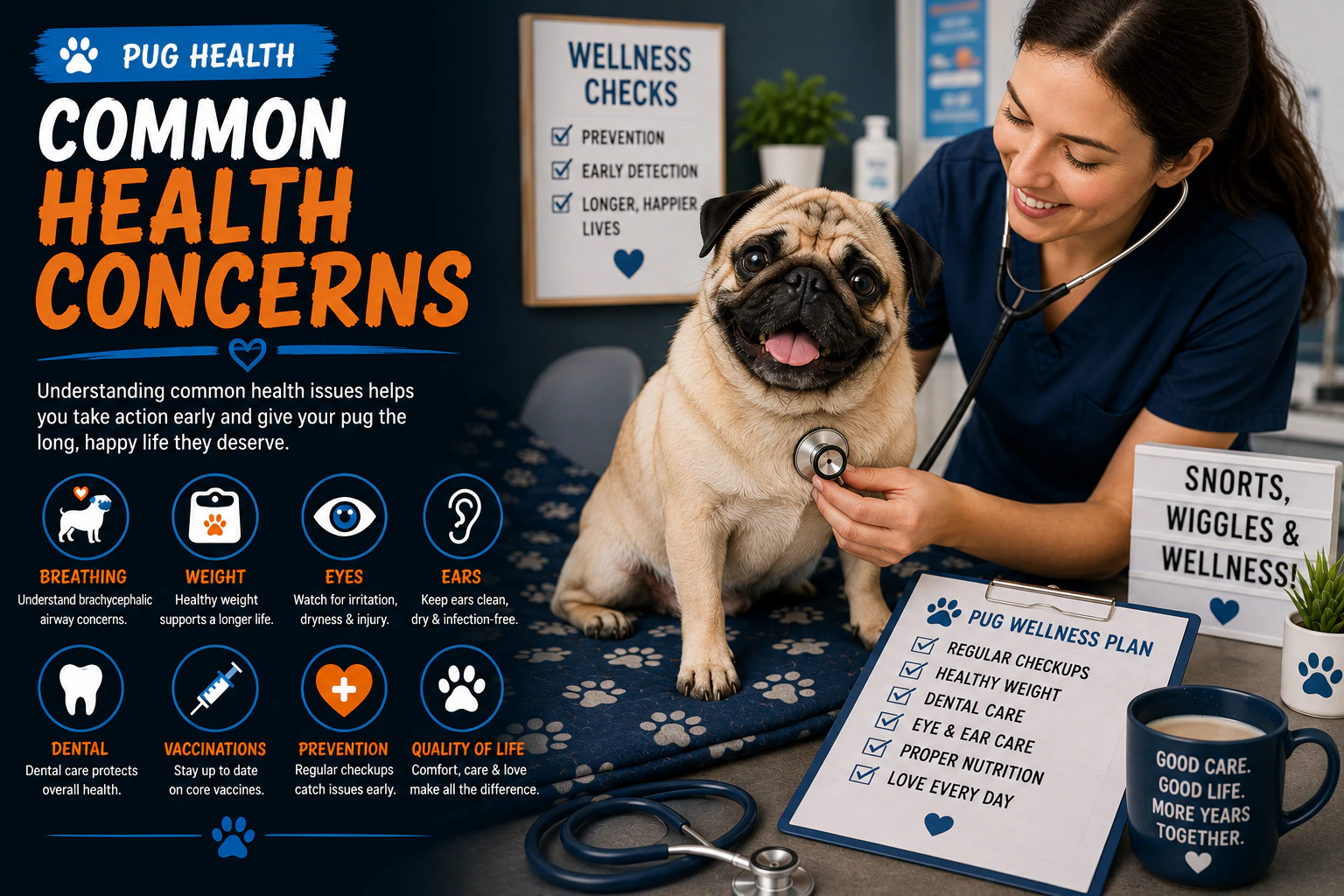
Pugs bring a lot of joy to a home, and thoughtful routine care helps them stay comfortable through every life stage. This guide is a general educational overview, not a diagnosis or treatment plan. A veterinarian who knows your pug is the right partner for questions about their individual health, symptoms, and care.
Understanding Pug Health
Pugs can have some breed-related health considerations, but every dog is an individual. Regular veterinary visits, daily observation, and a plan that fits your dog's age and needs make it easier to spot changes early.
The goal is not to expect problems; it is to know what is worth discussing with a veterinary team and to keep ordinary care consistent.
Brachycephalic Airway Concerns
Pugs are brachycephalic, or short-muzzled, dogs. Their airway anatomy can make breathing noisier and can make heat, excitement, and exertion harder to manage.
A new or worsening breathing pattern, reduced exercise tolerance, repeated gagging, or open-mouth breathing at rest deserves veterinary guidance. Difficulty breathing, blue or pale gums or tongue, weakness, or collapse are emergencies that need immediate veterinary or emergency veterinary care.
Eyes & Eye Injuries
Pugs' prominent eyes can be more exposed to irritation and injury. Squinting, redness, cloudiness, swelling, discharge, pawing at an eye, or a sudden change in appearance should be evaluated promptly by a veterinarian.
Avoid using leftover eye medication or trying to treat a painful eye at home. Eye problems can change quickly, so it is safer to get professional guidance.
Skin Folds & Skin Issues
Facial folds and other skin areas can collect moisture and debris. Gentle routine care and keeping folds dry can be helpful when recommended by your veterinarian.
Persistent redness, odor, discharge, itching, sores, or discomfort can have many causes. A veterinary exam can help determine the appropriate next step.
Ear Problems
Head shaking, repeated scratching, odor, redness, discharge, or apparent ear pain are all reasons to contact a veterinarian. Ear discomfort is common across many breeds and needs a proper examination rather than a guess.
Use only cleaning products or treatment plans recommended for your particular dog.
Dental Health
Dental care is part of whole-body care. Routine veterinary dental examinations and a home-care routine selected with your veterinary team can help support comfort and oral health.
Bad breath, visible tartar, bleeding gums, trouble eating, or changes around the mouth are worth bringing up at an appointment.
Weight & Obesity
A healthy body condition can support comfort, mobility, and easier breathing. Food, treats, activity, age, and medical conditions all affect weight, so a veterinarian can help set a realistic target for your pug.
Avoid sudden restrictive changes without veterinary advice, especially when a dog has other health concerns.
Heat Intolerance
Short-muzzled dogs can become overheated more quickly, especially in warm or humid conditions. Favor cooler parts of the day, provide water and shade, and build in calm breaks.
Heavy panting, excessive drooling, vomiting, weakness, confusion, or collapse in the heat can be signs of heat distress. Stop activity, move to a cooler setting, and contact a veterinarian or emergency veterinary service right away if you are concerned.
Joint & Mobility Concerns
Stiffness, limping, reluctance to jump or climb, changes in gait, or signs of pain deserve attention. These changes can have many causes, and an examination is the safest way to understand what your dog needs.
Comfortable, appropriately paced activity and a healthy weight can be useful topics to discuss with your veterinarian.
Allergies & Skin Sensitivities
Itching, recurring skin trouble, ear changes, or licking can be frustrating for dogs and families. Similar signs may have different causes, so it is best not to assume that a symptom is an allergy.
Keep a simple record of what you notice and work with a veterinarian on a careful plan.
Routine Preventive Care
Preventive care is the unglamorous hero of a long, comfortable life: regular checkups, parasite prevention chosen with your veterinarian, dental care, vaccines, and a home routine that fits your dog.
Your veterinarian can tailor the timing and details to your pug's age, health history, lifestyle, and local risks.
Signs That Deserve Veterinary Attention
Contact a veterinarian for concerning changes in breathing, appetite, energy, mobility, skin, ears, eyes, or behavior. A short video or a few notes about when a symptom happens can be useful at an appointment.
Breathing distress, collapse, severe eye problems, overheating, significant pain, sudden neurologic changes, or any symptom that feels urgent should be treated as an urgent veterinary or emergency veterinary concern.
Keeping Good Health Records
Keep vaccination and preventive-care records, medication lists, weight notes, and brief observations in one place. It can also help to save short videos of intermittent breathing, movement, or behavior changes for your veterinary team.
Good records do not replace an examination, but they can make a veterinary conversation clearer and more useful.
Professor Pug's Quick Lesson
Professor Pug's quick lesson: small observations add up. Notice what is normal for your pug, keep regular veterinary check-ins, and ask early when something changes.
Related Learning Center Lessons
Keep learning with Professor Pug.
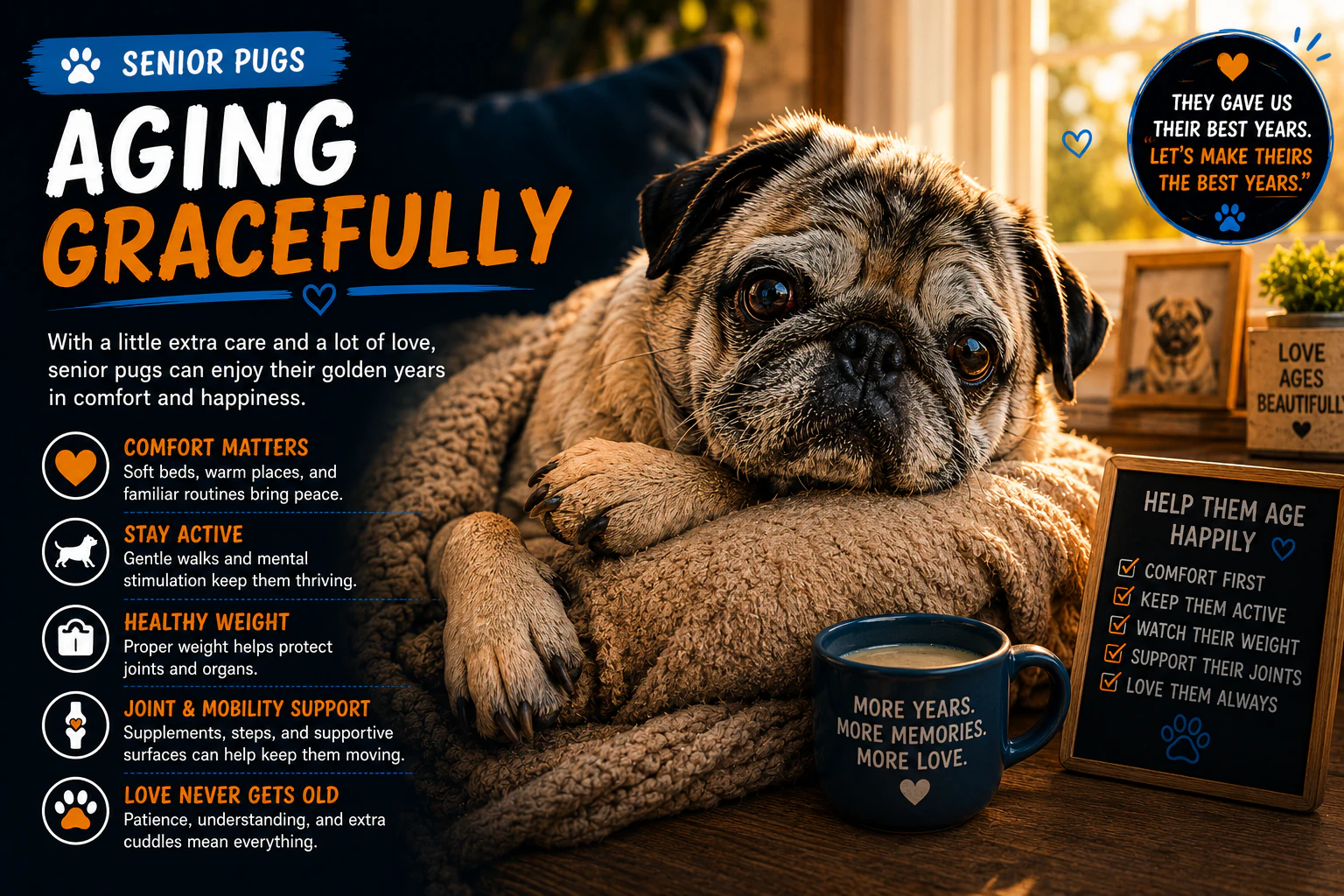 Senior PugsAging Gracefully
 Health & SafetyWhy Heat Is Different for Pugs
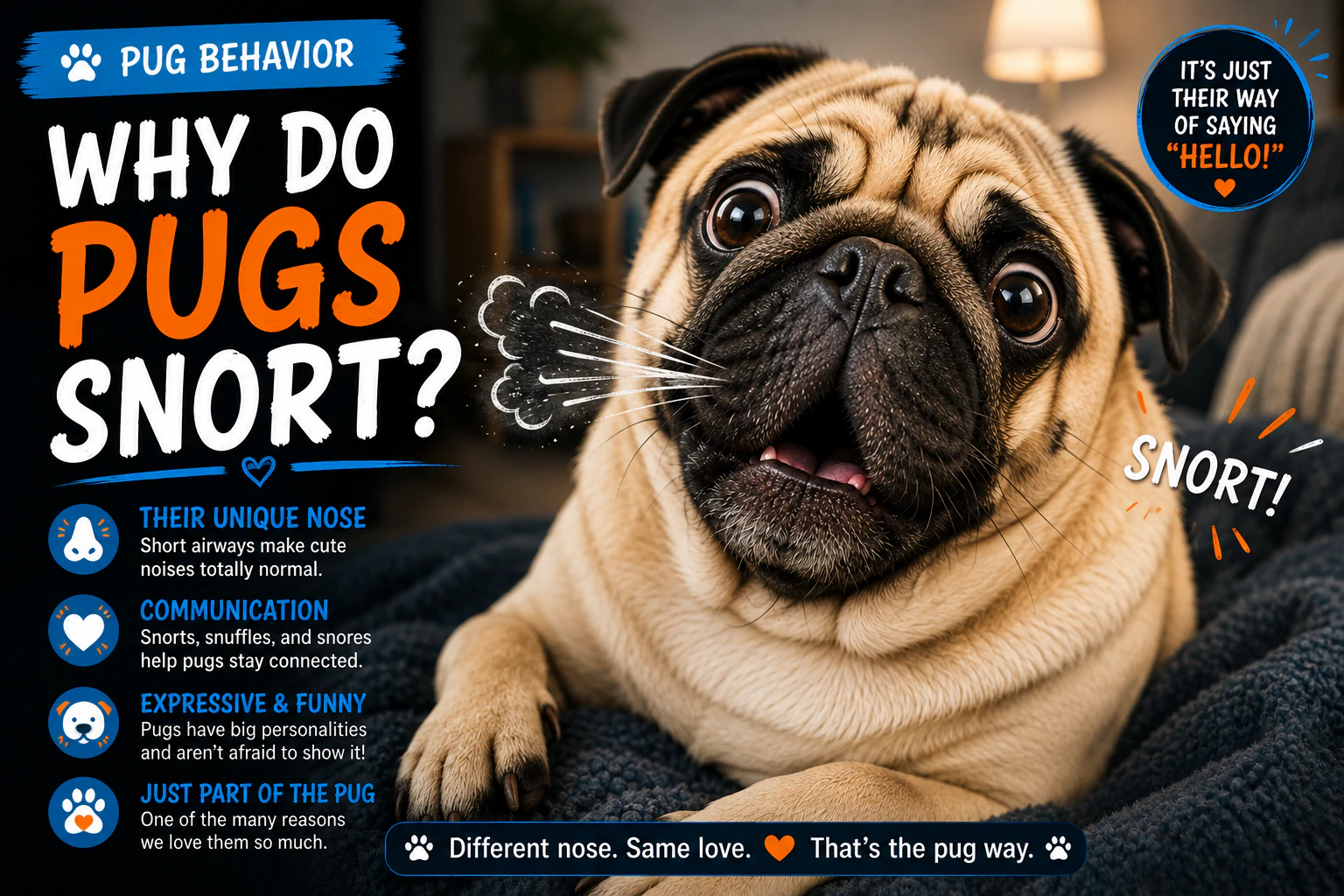 Pug BehaviorWhy Do Pugs Snort?
Explore everyday life with pugs in Pug Corner.
Back to the Learning CenterHelpful veterinary resources
This article is educational and is not a substitute for veterinary care.